
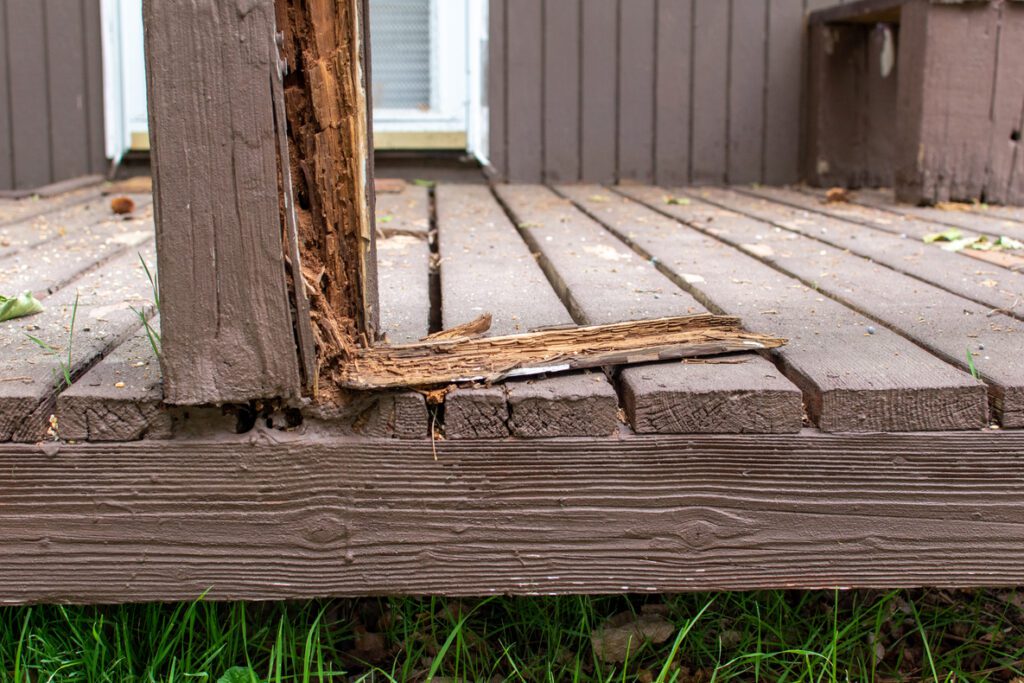
A soft spot under a window sill that gives way when you press it. Paint that bubbles and flakes on a fascia board. A lanai post that sounds hollow when you knock on it. These are the early signs of wood rot, and on Oahu they show up faster than almost anywhere on the mainland. Salt air, year-round humidity, and frequent rain keep exterior wood damp long enough for decay fungi to take hold and spread into the framing behind it.
On this page we cover what wood rot and dry rot actually are, how we find and stop the moisture source, and how we repair or rebuild affected wood so the problem does not return. We walk through our assessment and repair process, the areas we handle — from window frames and fascia to decks and structural posts — and how we keep remote and military owners informed at every step.
What Wood Rot and Dry Rot Are — and Why They Spread Fast on Oahu
Wood rot is decay caused by fungi that feed on damp wood. When wood stays wet long enough to hold a high moisture content and cannot dry out, it becomes the ideal home for decay fungi, which break down the fibers that give wood its strength. What looks like a small soft patch on the surface is often the visible edge of damage that runs deeper into the board and into whatever it connects to.
People often separate the problem into wet rot and dry rot. Wet rot stays close to the moisture source and tends to stop spreading once the wood dries. Dry rot is the more aggressive form: it can travel through and behind sound wood, carrying its own moisture along the way, and it does the most structural harm because it consumes the strength-giving portions of the timber. The name is misleading — dry rot still needs moisture to start, it simply spreads into areas that look dry.
Our Wood Rot and Dry Rot Repair Process
Every job starts with finding the water, not just the rot. Replacing a rotted board without correcting why it got wet guarantees the repair fails. We trace the moisture source first — a failed paint seal, a leaking gutter, cracked window flashing, a plumbing drip, or ground contact that wicks water upward. From there the work follows a consistent sequence:
- Inspection and assessment — we probe the affected wood, map how far the decay extends, and identify every contributing moisture path.
- Removal of decayed material — we cut back to sound, solid wood so no active decay is left buried inside the repair.
- Moisture correction — we fix or coordinate the underlying leak, drainage, or sealing problem, including any roofing or gutter issue feeding the rot.
- Repair or rebuild — depending on extent, we consolidate and patch with structural fillers or replace boards, framing members, posts, and trim through our carpentry services to match the existing woodwork.
- Sealing and finishing — we prime and paint or stain so the restored wood is protected against Oahu’s climate and matches the surrounding surfaces.
For larger structural work, we confirm whether a permit is required and handle the application when it is. You approve the full scope and price before we begin, and if we open an area and find hidden damage, we stop and review it with you before continuing. Pairing the repair with ongoing home maintenance is the surest way to keep rot from returning.
Hawaii Conditions That Drive Wood Decay
Oahu is harder on exterior wood than most mainland climates, and the repair has to account for that. Salt air accelerates corrosion of fasteners and keeps surfaces damp; high humidity and frequent windward rain slow drying; and intense tropical sun breaks down paint and sealants that would last for years elsewhere. Once those protective coatings fail, water reaches the wood and decay begins.
Construction type matters too. Plantation-era homes use single-wall and older framing that was never sealed for today’s moisture loads, while post-war concrete block homes still rely on wood for window frames, fascia, eaves, trim, and roof framing — all of it exposed. On top of that, the Formosan subterranean termite is the most destructive structural pest in the islands, and termite tunneling often opens the path that lets moisture and rot follow. According to the University of Hawaiʻi termite research program, it is the single most damaging insect pest to Hawaii homes — which is why we inspect for both rot and pest-related entry points together.
Why Professional Repair Beats a DIY Patch
Surface filler smeared over rotted wood hides the problem instead of solving it. The decay continues underneath, the moisture source remains, and the repair fails within a season or two. We remove all compromised material, address the water, and rebuild with materials chosen for island conditions — so the fix lasts and the structure stays sound.
Where Wood Rot Shows Up — and the Repairs We Handle
Wood rot rarely stays in one place. Because it follows water, we most often find and repair it in the same set of locations across Oahu homes and rentals.
Common Repair Areas
- Window and door frames — sills and jambs are among the first to go when flashing or caulk fails; we repair, reseal, or handle full frame installation when needed.
- Fascia, soffit, and eaves — roof-edge wood takes constant sun and runoff, and rot here often signals a gutter or roofing issue we address at the same time.
- Decks, lanais, and railings — posts, joists, and decking exposed to rain and salt air; our deck and patio repairs replace structural members, not just surface boards.
- Subfloors and framing — rot under bathrooms, kitchens, and exterior walls, where leaks and humidity collect out of sight.
- Exterior trim, posts, and siding — the visible woodwork that protects the structure behind it, often folded into a larger remodeling project.
For Property Managers and Remote Owners
Much of our wood rot work is for owners who are not on-island — mainland investors, military families managing a home through a PCS move, and property managers handling unit turnovers. Caught early, a small repair stays small; left through a vacancy, the same rot can spread into framing and turn into a far larger bill. We document what we find with photos, give you a clear written scope and price, and keep you updated so you can make decisions from anywhere. During a turnover, we can fold rot repair into the rest of the make-ready work so the unit is rent-ready without a second trip, which keeps vacancy days and lost rent to a minimum. Between repairs, simple seasonal upkeep — the kind we outline in our Hawaii home maintenance tips — keeps small moisture problems from becoming structural ones. We serve homeowners, rentals, and commercial properties across Oahu — whether it is a single soft window sill or rot running through a lanai, one local, licensed team handles the full repair.
Why Owners Across Oahu Choose Handy Andy Hawaii
Licensed and Insured for Hawaii Contracting Work
We hold Hawaii Contractor License #BC-30573 and carry insurance for the work we do. For a property owner, that means the people repairing your structure are held to the same state standards as any licensed contractor on Oahu.
It also matters for resale and rental compliance. Structural wood repairs done by a licensed contractor are documented work you can stand behind — not an unverifiable patch that raises questions later when you sell, refinance, or pass an inspection.
Flat-Rate Pricing — You Approve the Cost First
We give you a complete price before any work starts. There is no open-ended hourly rate that climbs while we work, and no surprise add-ons discovered halfway through the job.
Wood rot can hide damage that only appears once we open up the area. If that happens, we stop, show you what we found, and get your approval before continuing. The final number is never a surprise — which matters most when you are approving the work from another time zone.
Hawaii-Specific Expertise in Salt Air, Humidity, and Termites
Repairing wood rot on Oahu is not the same as repairing it on the mainland. Salt air, constant humidity, and intense sun break down wood and coatings faster, and Formosan termite activity often runs alongside decay.
We repair with island conditions in mind — correcting the moisture source, choosing materials and sealants that hold up in a coastal tropical climate, and checking for the pest entry points that let rot start. That local knowledge is the difference between a repair that lasts and one that fails by next rainy season.
Locally Owned, Veteran-Owned Oahu Business
Handy Andy Hawaii is a locally owned company, not a national franchise dispatching whoever is available. We are veteran-owned and serve as transitional employment for service members readjusting to civilian life.
When you call, you reach a team that lives and works on Oahu and knows its neighborhoods — from Kailua and Kahala to Waikiki and Diamond Head. That local accountability is exactly what remote and military owners tell us they were missing from contractors three thousand miles away.
Photo Documentation and Updates for Off-Island Owners
A large share of our wood rot work is for owners who cannot inspect the property themselves. We document the damage and the completed repair with photos, send a clear written scope, and keep you informed at each stage.
For mainland investors, deployed military families, and property managers running turnovers, that visibility replaces the guesswork of managing repairs from a distance. You see what we found, what we did, and why — so you can approve work and protect your investment with confidence.
Wood rot only gets more expensive the longer it sits. On Oahu, salt air and humidity let a small soft spot in a window sill or fascia board spread into framing within a season — which is why catching it early and fixing both the rot and the moisture behind it is the most cost-effective move you can make.
Request a quote from Handy Andy Hawaii at handyandyhawaii.us or call (808) 285-3443 to schedule your wood rot and dry rot inspection. We repair rotted framing, trim, decks, and window frames for homeowners, rentals, and commercial properties across Oahu.
What causes wood rot and dry rot?
Both are caused by fungi that feed on wood once it stays damp long enough to hold a high moisture content. The moisture usually comes from a failed paint seal, a leak, poor drainage, or ground contact. On Oahu, salt air and high humidity keep wood wet longer, so decay starts faster than it would in a drier climate.
What is the difference between wet rot and dry rot?
Wet rot stays close to its moisture source and generally stops spreading once the wood dries out. Dry rot is more aggressive — it can travel through and behind wood that looks sound and does the most structural damage. Despite the name, dry rot still needs moisture to begin; it simply spreads into areas that appear dry.
How can I stop or prevent dry rot in wood?
The key is keeping wood dry and sealed. Repaint or re-stain weathered surfaces before the coating fails, caulk gaps around windows and doors, keep gutters and drains clear, and reduce indoor humidity in bathrooms and other damp areas with exhaust fans. Catching and fixing small leaks early prevents the moisture buildup that decay fungi need.
Can rotted wood be repaired, or does it have to be replaced?
It depends on how far the decay has spread. Limited surface rot can sometimes be consolidated and patched with structural fillers, but wood that has lost its strength needs to be cut back to solid material and replaced. We assess the full extent during the inspection and recommend the repair that will actually last rather than the one that looks fastest.
Who fixes dry rot — do I need a specialist?
A licensed contractor experienced in structural wood repair handles dry rot, because the job involves more than swapping a board — it requires finding and correcting the moisture source and rebuilding to match the existing structure. We handle the full scope, from inspection through finishing, with one local team.
Do you repair window and door frame rot?
Yes. Window sills, jambs, and door frames are among the most common places we find rot, usually from failed flashing or caulk. We repair or replace the affected frame, correct the sealing problem behind it, and refinish so it matches and is protected against future water intrusion.
Is wood rot related to termite damage in Hawaii?
They often appear together. The Formosan subterranean termite is the most destructive structural pest in the islands, and termite tunneling can open the path that lets moisture and decay follow. We inspect for both when we assess rot and address the entry points, though active termite treatment itself is handled by a licensed pest control company.
Do I need a permit for wood rot repair in Honolulu?
Straightforward like-for-like repairs typically do not require a permit, but structural work — replacing framing members, posts, or beams — may. We confirm whether a permit is needed during the assessment and handle the application with the City and County of Honolulu when it is required.
How do you handle repairs for owners who live on the mainland?
A large part of our work is for off-island owners, so we built our process around it. We document the damage and finished repair with photos, provide a written scope and flat-rate price for your approval, and keep you updated at each stage so you can make decisions from anywhere.
How long does wood rot repair take?
A single repair — a window sill, a section of fascia, or a few deck boards — often takes part of a day to a full day. Larger structural repairs that involve framing, posts, or multiple areas take longer. We give you a specific timeline once we have assessed the extent of the decay.
Learn more about how Handy Andy Hawaii can help repair your home here.
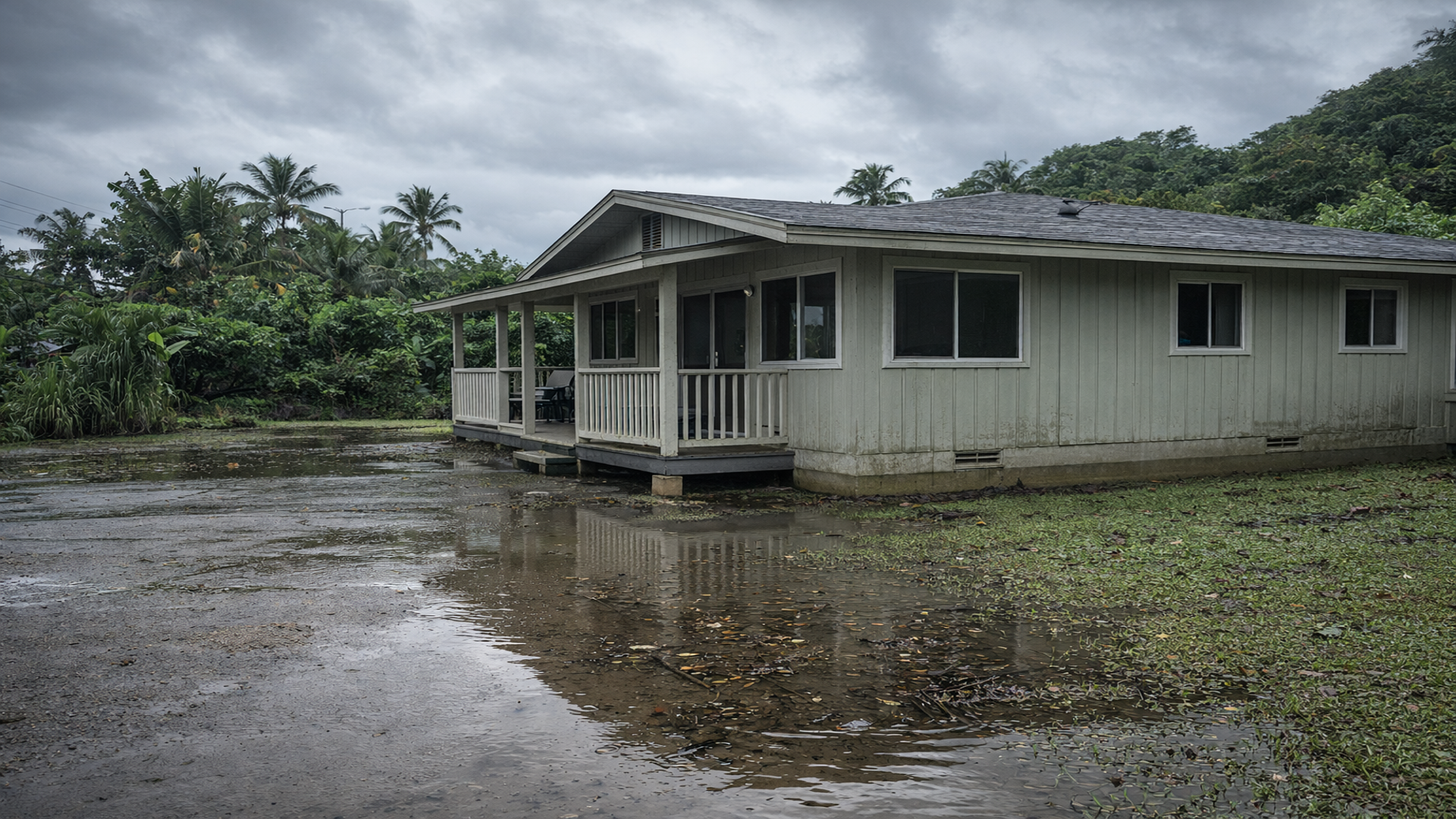
Mold After a Flood: The Hidden Damage Hawaii Property Owners Can’t Afford to Ignore Picture two scenes from the same weekend. A property owner in

Whether you’re a homeowner or a renter, investing in a reliable home security system can provide peace of mind and protect your loved ones and
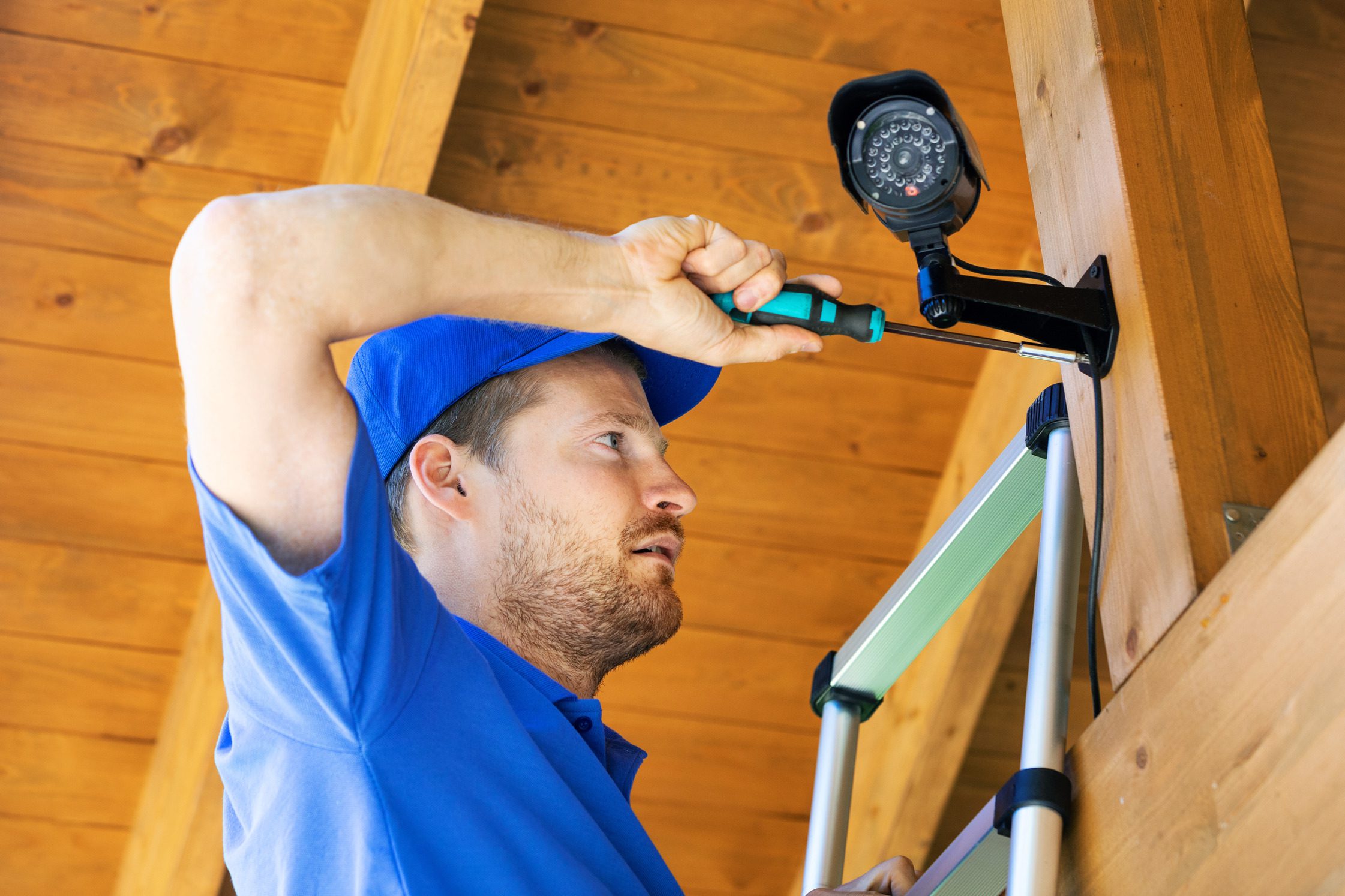
With its breathtaking landscapes and serene beaches, Hawaii is often seen as paradise on Earth. However, like any other place, it’s not immune to security

Being a homeowner in the picturesque paradise of Hawaii is a dream come true, but it also comes with responsibilities. Home maintenance can often seem

As a homeowner, it’s natural to want to take care of your property and make improvements whenever possible. DIY projects can be rewarding and cost-effective,

Energy Efficiency In Hawaii Homes: Tips For Lowering Your Utility Bills As a homeowner in Hawaii, you know that energy costs can be extremely high
